The international short film competition is a long running tradition at the Pornfilmfestival Berlin. Once again this year an international jury will award the best short film. The award is endowed with a € 500 cash price.
Amber Bemak, Boston
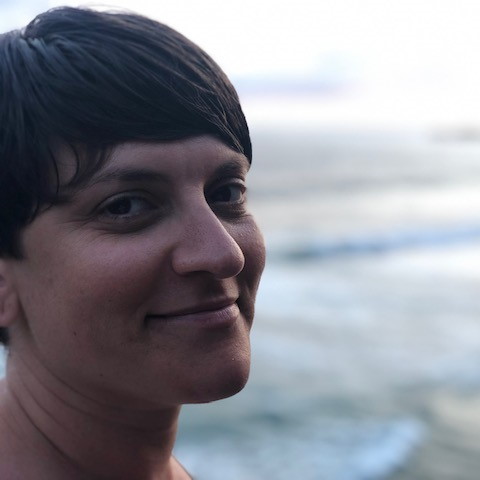 Amber Bemak is a filmmaker, artist, and educator. Her work is based in experimental and documentary film and also spans performance art and curatorial practice. She has co-directed and produced two feature documentaries on Tibetan Buddhism, as well as created 15 short experimental and documentary films that have played in numerous festivals internationally. Her work draws from cinematic practice, pedagogy around ethics of representation, queer theory and lived experience, a deep commitment to a global perspective in all areas, and Buddhist philosophical frameworks and cultures. She has taught film theory and practice in India, Nepal, Kenya, Mexico, and the United States.
Cheryl Dunye, San Francisco
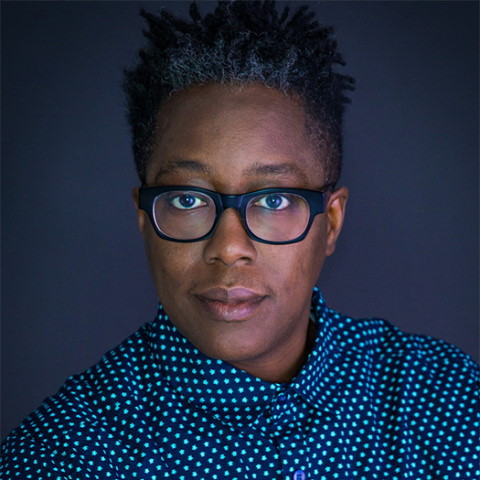 Cheryl Dunye is a world renown African American director, writer, and actress. She first emerged as part of the “Queer New Wave” of young filmmakers in the early 1990s. Her first feature film, “The Watermelon Woman”, won the Teddy Award for Best Feature at the 1996 Berlin International Film Festival. Her features “Stranger Inside”, “My Baby’s Daddy”, “The Owls” and “Mommy Is Coming” have both screened at international festivals and garnered her a new generation of fans. Recently she entered a new wave of her career as a director for episodic television and has worked on an incredible array of popular shows including “Dear White People” for HBO. In 2015, her award winning short film “Black Is Blue” was named one of the top five “Must See Feminist Films” by IndieWire. In 2019, she launched her Oakland-based production company called Jingletown Films, which is developing two episodic series.
Nadia Granados, Bogota
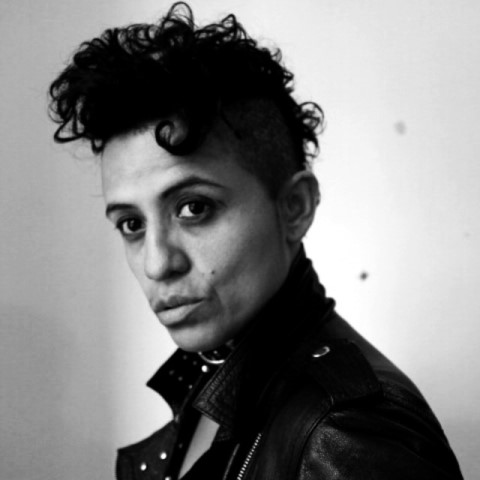 Her artistic practice raises questions about the manipulation strategies that exist behind different representation systems that circulate in the mass media (news, political campaigns, audiovisual speeches on romantic love, advertising, narco-soap operas …) and making a direct critique of these structures of symbolic power. His work is both performative and technological, creates performances for different types of public access scenarios such as the web, cabaret, galleries, the street, using resources associated with gender performativity and communication guerrillas. Since 2015 he has been directing collective creation laboratories of Multimedia Political Cabaret, with groups of women artists and activists, from a trans feminist perspective, understanding performance as an alternative communication tool in which the body is the protagonist.